Indoor plants are one of the easiest and most effective ways to lift the visual and emotional atmosphere of a home. Carefully chosen greenery can turn a bland room into a warm, textured living space, create focal points, and even subtly improve indoor air quality. Interior designers and lifestyle bloggers alike use statement plants, layered plantshelves, and hanging arrangements to add depth and life to modern interiors.
This article is a practical, research-oriented guide to the best indoor plants for home décor. For each plant you’ll find: why it works as décor, placement & styling tips, basic care guidelines, and product recommendations (pots, stands, and accessory picks) — all with affiliate links using your tag 63336580f-20. I’ll also link to your existing content (for beginners, tools, low-maintenance picks and vegetable gardening) so visitors can dig deeper.
How to choose best indoor plants for home décor (quick guide)
Before we list plants, consider three practical factors that determine how a plant functions as décor:
Scale & Proportion — Large, upright plants (e.g., Fiddle Leaf Fig, Rubber Plant) act as focal points; small trailing plants (Pothos, String of Pearls) soften edges and fill shelves.
Light Conditions — Match plants to the room’s light: south/east windows suit sun-loving plants; north windows require low-light tolerant varieties. If natural light is limited, add a grow light.
Maintenance & Lifestyle — Busy households or frequent travelers should prioritize low-maintenance species. See also our post on Low-Maintenance Indoor Plants for Beginners.
Top plants for décor (styled + practical)
Below are the most popular and versatile plants for stylish home interiors. Each entry includes décor benefits, placement ideas, care summary, and suggested Amazon product searches (with your tag).
1. Fiddle Leaf Fig (Ficus lyrata) — The Statement Tree
Why it works for décor: Large, violin-shaped leaves and a strong vertical silhouette make the Fiddle Leaf Fig (FLF) a go-to for contemporary living rooms and entrance halls. It creates a sculptural focal point without complex styling. Placement & styling: Place near a bright window with filtered light; use a tall ceramic planter and a minimalist stand to accentuate height. Group with smaller pots at the base for a layered vignette. Care (brief): Bright, indirect light; consistent watering (allow top 1–2 in soil to dry); moderate humidity. Amazon product picks:
Search plants and stands: https://www.amazon.com/s?k=fiddle+leaf+fig+plant&tag=63336580f-20
Internal links: If you’re unsure how to care for larger indoor plants, see our beginner guide: Indoor Gardening for Beginners.
2. Monstera Deliciosa — The Tropical Accent
Why it works for décor: Monstera’s dramatic split leaves add texture and pattern, instantly creating a tropical, relaxed look suitable for boho, modern, and eclectic interiors. Placement & styling: Works well in living rooms or beside bookcases. Train with a moss pole for vertical interest. Pair a Monstera with natural-fiber rugs and rattan furniture. Care (brief): Bright, indirect light; water when topsoil is dry; appreciates humidity. Affiliate searches:https://www.amazon.com/s?k=monstera+deliciosa+plant&tag=63336580f-20 / https://www.amazon.com/s?k=moss+pole&tag=63336580f-20
Why it works for décor: Large, glossy foliage creates a luxe, sculptural look. The Rubber Plant’s deep green helps anchor a neutral palette and complements both modern and classic interiors. Placement & styling: Place in a corner to add height; a black metal planter or wooden stand adds contemporary contrast. Care (brief): Bright, indirect light; moderate watering; wipe leaves to maintain sheen. Affiliate searches:https://www.amazon.com/s?k=rubber+plant+indoor&tag=63336580f-20 / https://www.amazon.com/s?k=large+ceramic+planter&tag=63336580f-20
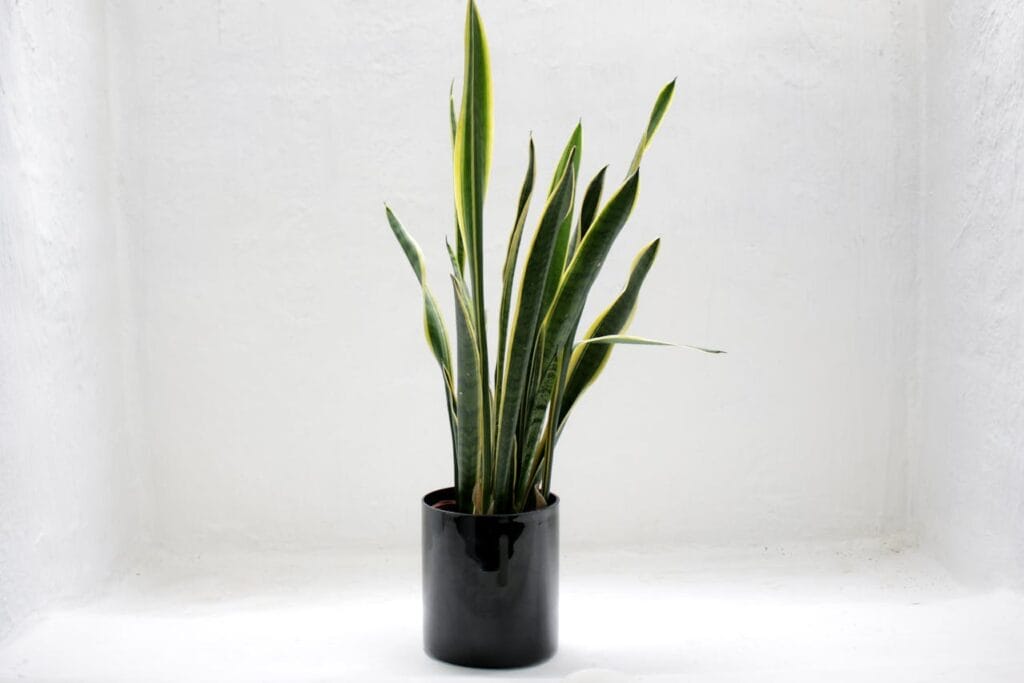
Why it works for décor: Its upright, sword-like leaves are perfect for minimalist interiors and tight corners. Snake plants read as modern sculptures and are excellent for entranceways and bedrooms. Placement & styling: Use a tall planter on the floor or a narrow vase on console tables. Works in low light and pairs well with matte finishes. Care (brief): Extremely tolerant — low light; infrequent watering. Affiliate searches:https://www.amazon.com/s?k=snake+plant+indoor&tag=63336580f-20 / https://www.amazon.com/s?k=matte+ceramic+planter&tag=63336580f-20
Why it works for décor: Sleek foliage and white blooms offer a refined, botanical accent that complements formal living rooms and peaceful bedrooms. Peace Lilies also help with indoor air quality (NASA research indicates certain houseplants can help remove toxins). Placement & styling: Best in medium indirect light; place on pedestals or side tables so the flowers are at eye level. Care (brief): Moderate light; keep soil evenly moist; drooping leaves indicate it needs water. Affiliate searches:https://www.amazon.com/s?k=peace+lily+plant&tag=63336580f-20 / https://www.amazon.com/s?k=side+table+plant+stand&tag=63336580f-20
6. Monstera Adansonii / Philodendron Brasil — Trailing & Shelf-Friendly
Why it works for décor: Trailing plants add softness to shelves, mantels, and hanging baskets. The variegated Philodendron Brasil and Monstera Adansonii introduce color contrast and movement. Placement & styling: Place in hanging planters, on floating shelves, or let vines cascade from a high cabinet. Works especially well with minimalist and Scandinavian décor. Care (brief): Bright, indirect light; water when topsoil is slightly dry. Affiliate searches:https://www.amazon.com/s?k=philodendron+brasil&tag=63336580f-20 / https://www.amazon.com/s?k=hanging+plant+macrame&tag=63336580f-20
7. Calathea / Maranta (Prayer Plants) — Pattern & Color for Low Light Rooms
Why it works for décor: Calatheas and Marantas have intricately patterned leaves that function like living art. They are perfect for bathrooms, bedrooms, or rooms with low natural light. Placement & styling: Use decorative shallow ceramic bowls or pedestal planters to show off leaf patterns. They thrive in humid microclimates (bathroom or near a humidifier). Care (brief): Moderate to low light; consistent humidity; avoid direct sun which burns patterns. Affiliate searches:https://www.amazon.com/s?k=calathea+plant&tag=63336580f-20 / https://www.amazon.com/s?k=small+humidifier&tag=63336580f-20
8. Pothos (Devil’s Ivy) — The All-Purpose Shelfer
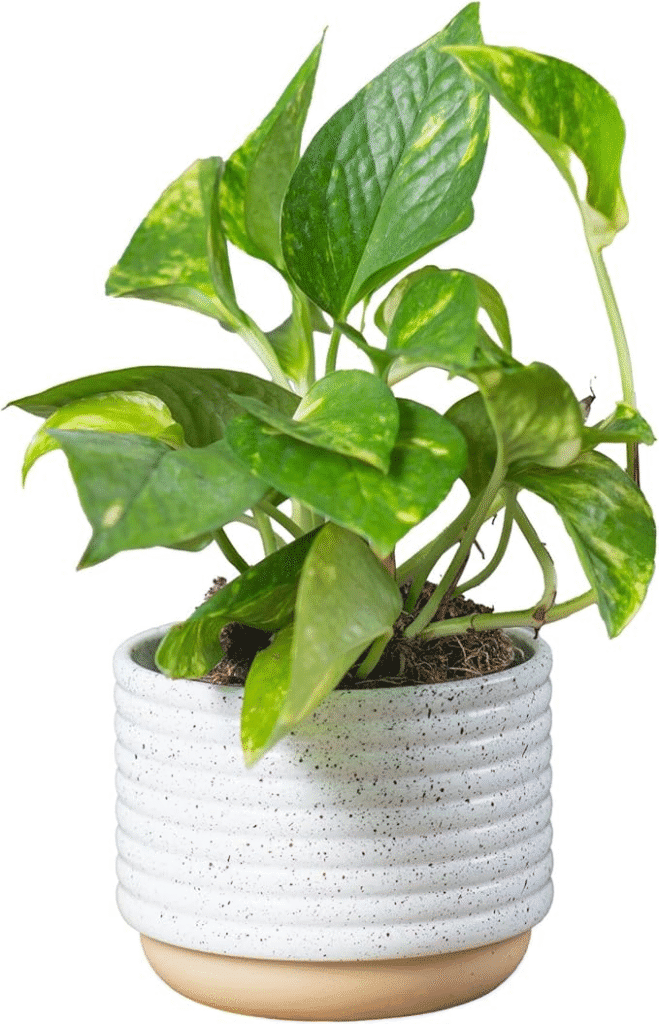
Why it works for décor: Pothos is forgiving and flexible: it can trail, climb, or sit on a shelf. The shiny, heart-shaped leaves bring life to bookcases and windowsills. Placement & styling: Place in hanging baskets or elevated planters; train along ledges for casual charm. Care (brief): Low to bright indirect light; water when top 1–2 in of soil is dry. Affiliate searches:https://www.amazon.com/s?k=pothos+plant&tag=63336580f-20 / https://www.amazon.com/s?k=decorative+hanging+planter&tag=63336580f-20
9. Succulents & Aloe — Minimalist Tabletops
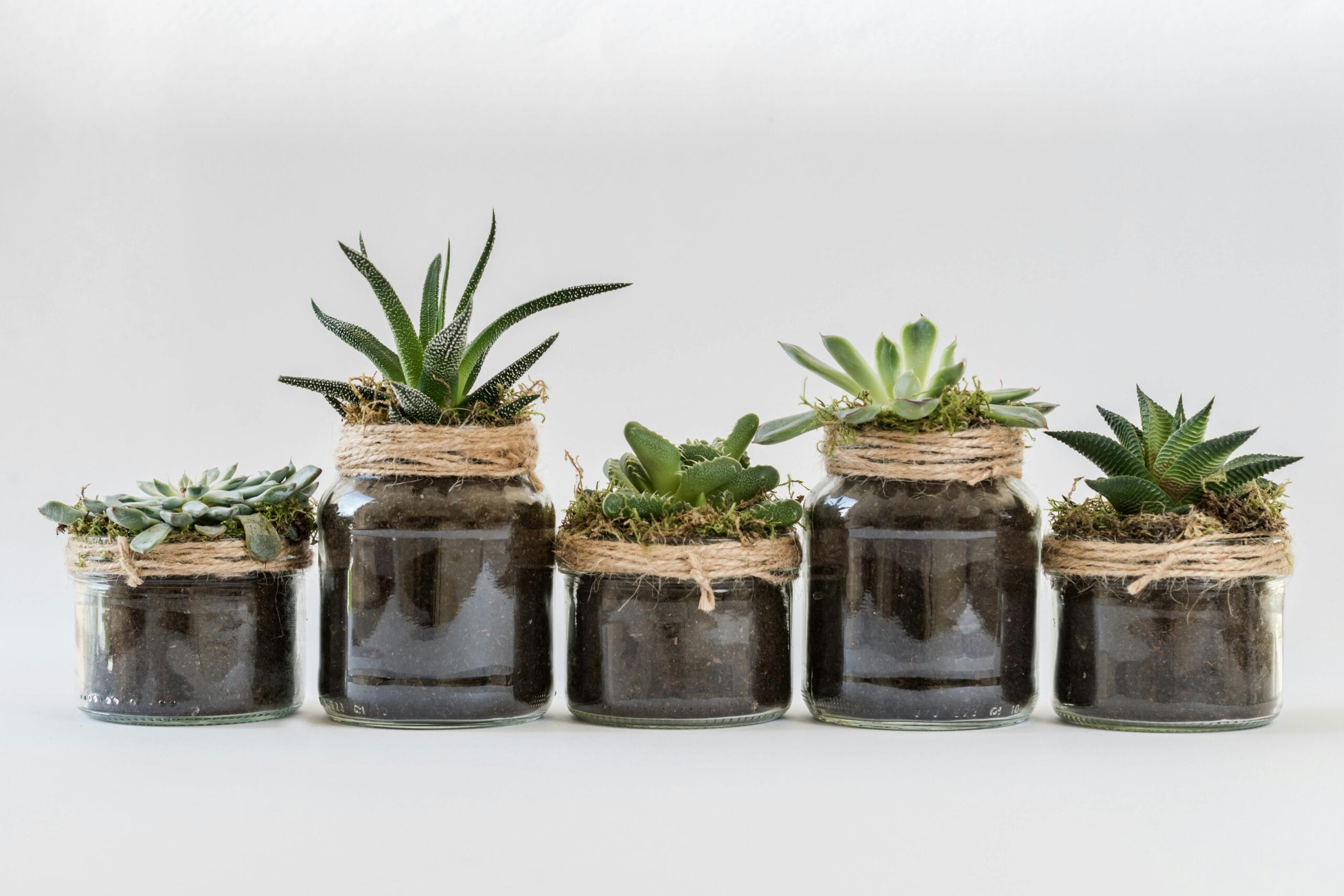
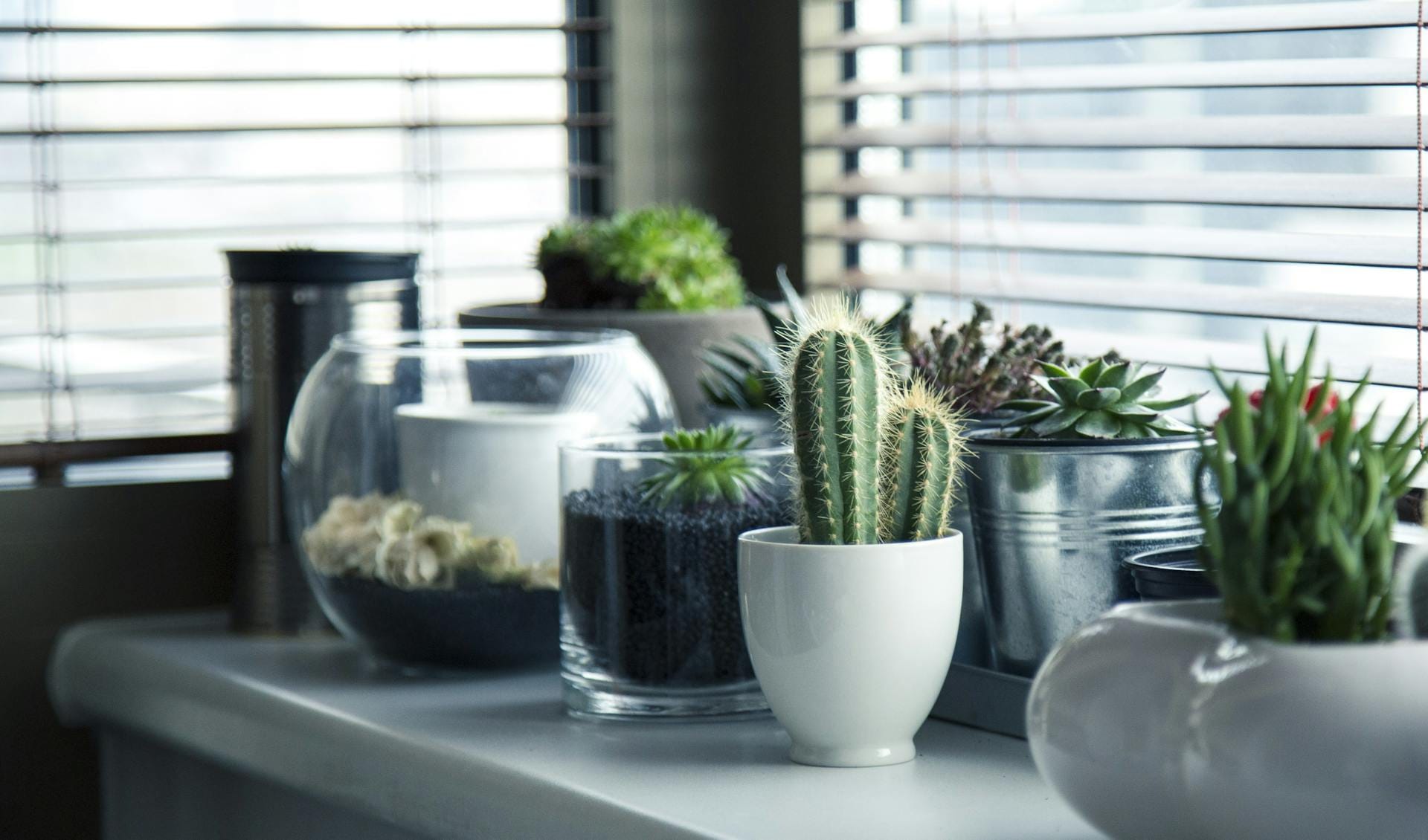
Why it works for décor: For modern, minimal décor schemes, small succulents and Aloe plants offer sculptural silhouettes and textural contrast — perfect for coffee tables, windowsills, and kitchen counters. Placement & styling: Cluster multiple succulents in a shallow tray or pair an Aloe with wood and metal accents. Care (brief): Bright light; sparse watering; use well-draining soil. Affiliate searches:https://www.amazon.com/s?k=succulent+collection&tag=63336580f-20 / https://www.amazon.com/s?k=succulent+planter&tag=63336580f-20
Why it works for décor: Large palms add movement and an airy silhouette to spaces without overwhelming them. They suit coastal, tropical, and modern interiors. Placement & styling: Place beside seating or behind consoles to create a living backdrop. Use a tall woven basket or rattan planter for natural texture. Care (brief): Bright, indirect light; regular watering but not soggy; moderate humidity. Affiliate searches:https://www.amazon.com/s?k=parlor+palm+plant&tag=63336580f-20 / https://www.amazon.com/s?k=woven+planter+basket&tag=63336580f-20
Create a corner focal point: Place a tall statement plant (Fiddle Leaf Fig or Rubber Plant) in an oversized pot on a decorative stand. Add a floor lamp behind to highlight foliage.
Layered plantshelf: Combine trailing (Pothos), compact (Succulents), and medium (Philodendron) plants across different shelf levels. Use alternating pot finishes (matte + gloss) for texture.
Bathroom micro-jungle: Put humidity-loving plants (Calathea, Boston Fern) near the shower. A small humidifier can boost thriving conditions.
Tabletop composition: Cluster a couple of succulents with a low ceramic planter and a decorative object for curated minimalism.
Buy locally when possible so you can inspect plant health.
When buying online, choose sellers with clear reviews and return policies. Use search pages for multiple sellers: e.g., https://www.amazon.com/s?k=monstera+deliciosa+plant&tag=63336580f-20
Inspect on arrival: check for pests (small webs, holes), root crowding, and yellow leaves; quarantine any new plant for 1–2 weeks.
What are the best indoor plants for a living room with indirect light?
Fiddle Leaf Fig, Monstera, Rubber Plant, and Snake Plant all tolerate bright indirect light and act as excellent living room focal pieces.
Which indoor plants are safe for pets?
Spider Plant and some succulents (Aloe is medicinal but can be mildly toxic to pets) — always check species toxicity. See our pet-safe plant guide in Plant Types.
How do I style plants without overcrowding a room?
Mix scales — one large statement plant, a mid-height shelf arrangement, and one or two small tabletop succulents. Maintain airflow and avoid stacking plants too tightly. Choose a few statement plants with varying heights and textures. Use varying pot sizes and colors to create visual interest. Group plants in clusters rather than spreading them out, ensuring adequate space between groups. Utilize vertical space with wall-mounted planters or shelves. Keep larger plants in corners or behind furniture to maintain openness. Regularly prune and care for plants to prevent overgrowth.
How often should I use a grow light for décor plants?
Typically 8–12 hours per day for most houseplants; adjust based on species and the natural daylight available.
Starting your indoor gardening journey can feel overwhelming, especially if you’re a complete beginner. Many people worry about watering schedules, lighting needs, and whether their plants will survive at all. The good news is — indoor gardening doesn’t have to be complicated.
Some plants are incredibly forgiving, requiring little maintenance while still purifying the air and adding beauty to your living space. In this guide, we’ll cover the Top 10 Easy-to-Grow Indoor Plants that are perfect for beginners. Each section will explain the plant’s benefits, care needs, and why it’s an excellent choice for your home or office.
1. Snake Plant (Sansevieria)
The Snake Plant, often called Mother-in-law’s Tongue, is one of the toughest indoor plants you can grow. Its tall, sword-shaped leaves add a modern look to any space, and it can survive even in low light.
Benefits of Snake Plant
Filters toxins such as formaldehyde and benzene from indoor air.
Requires minimal watering (every 2–3 weeks).
Ideal for busy people or frequent travelers.
Snake plants thrive even when neglected, making them perfect for those who are just starting their gardening journey.
Pothos, also known as Devil’s Ivy, is famous for its trailing vines and heart-shaped leaves. This plant adapts to different lighting conditions and grows quickly, making it one of the most rewarding plants for beginners.
Benefits of Pothos
Thrives in both low light and indirect bright light.
Can be grown in soil or water.
Helps reduce indoor pollutants and improves air circulation.
It’s also fun to train pothos vines around shelves, windows, or even hanging baskets.
The Spider Plant is well-known for its arching green-and-white striped leaves and small “pups” that grow from the mother plant. It’s a hardy and resilient choice that even children can grow.
Benefits of Spider Plant
Removes harmful chemicals such as carbon monoxide.
Produces baby spider plants for easy propagation.
Non-toxic, making it safe for pets.
It’s also a plant that forgives occasional overwatering or neglect.
With its elegant white blooms and dark green foliage, the Peace Lily is both a decorative and functional houseplant. It tolerates shade better than many flowering plants.
Benefits of Peace Lily
Removes mold spores from the air.
Easy to care for with weekly watering.
Brings a calm, peaceful vibe to homes and offices.
If you want both flowers and greenery without the hassle, peace lilies are an excellent choice.
The ZZ Plant has waxy, glossy leaves that make it look almost artificial. It’s one of the most drought-tolerant houseplants, perfect for people who often forget to water their plants.
Benefits of ZZ Plant
Grows well in low-light areas.
Needs watering only once a month.
Improves indoor humidity levels.
It’s also one of the longest-living indoor plants when cared for properly.
Starting your indoor plant journey doesn’t need to be stressful. With these 10 beginner-friendly houseplants, you’ll not only create a lush, green environment but also enjoy cleaner air, reduced stress, and the joy of nurturing life indoors.
Whether you choose a low-maintenance Snake Plant, a decorative Peace Lily, or a symbolic Lucky Bamboo, each plant on this list has unique benefits. Best of all, they are widely available online and require minimal care, making them the perfect companions for a beginner’s home garden.
👉 Start your indoor gardening journey today with these easy-to-grow plants.
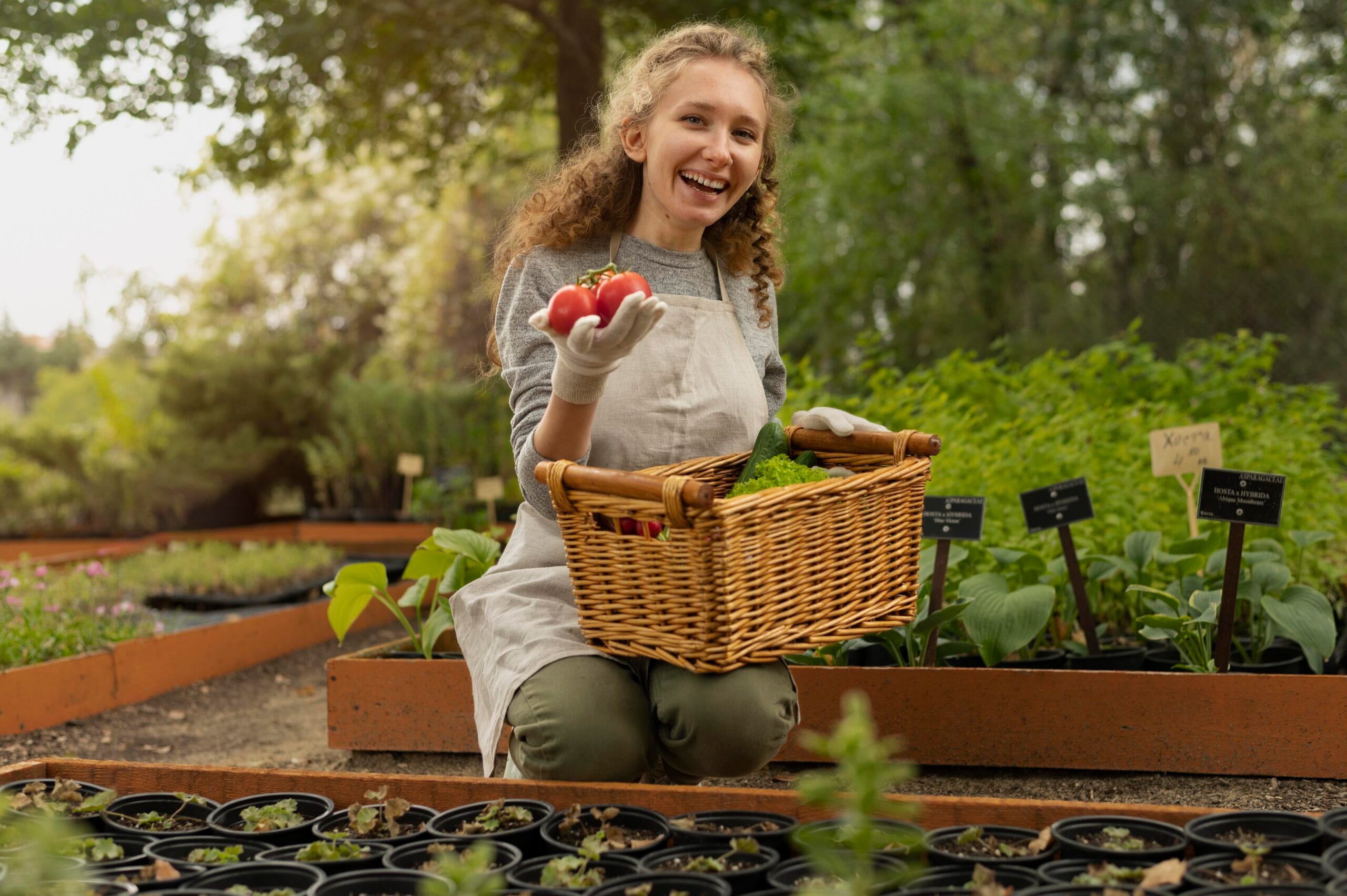
Have you ever dreamed of picking fresh, organic vegetables right from your backyard or balcony? Vegetable gardening for beginners may sound overwhelming at first, but once you get started, it becomes one of the most rewarding hobbies you can adopt. Not only does it provide you with fresh, chemical-free food, but it also saves money, promotes a healthy lifestyle, and reduces stress. Whether you have a large backyard or just a few pots on your balcony, learning how to grow your own vegetables at home is easier than you think.
This guide will walk you through step-by-step vegetable gardening tips for beginners—from choosing the right location to harvesting your first crops. Plus, we’ll highlight essential gardening tools available on Amazon to help you kickstart your gardening journey the right way.
Step 1: Choosing the Right Location
The first step in starting a vegetable garden is selecting the right spot. Location matters more than you might think because plants require sunlight, water, and proper soil conditions to thrive.
A good vegetable garden should receive at least 6–8 hours of direct sunlight daily. If you live in an apartment with no backyard, you can still start a container garden on your balcony where sunlight is available. Make sure the location is also close to a water source so watering becomes convenient.
If you have limited space, raised beds or vertical gardening are excellent options. For example, vertical garden planters allow you to grow multiple crops in small areas, making them perfect for urban homes.
Once you’ve chosen the location, it’s time to plan the layout. A well-planned garden ensures maximum productivity and reduces the risk of overcrowding.
You can start by sketching a simple garden plan. Place taller crops like tomatoes and corn at the back (or north side) so they don’t shade smaller plants like lettuce and carrots. Group vegetables based on their sunlight and water requirements. For example, leafy greens like spinach prefer partial shade, while peppers and cucumbers need full sun.
Raised beds are a great way to organize your garden. They not only improve soil drainage but also keep weeds under control.
Step 4: Preparing Soil and Fertilizers (Organic Options)
Soil is the foundation of your garden. Rich, fertile soil helps plants grow healthy and strong. If you’re working with poor soil, you can improve it by adding compost, organic manure, or peat moss.
The ideal soil for vegetables should be well-draining but moisture-retentive, with a slightly acidic to neutral pH (6.0–7.0). You can easily test your soil using a soil testing kit.
Organic fertilizers such as compost tea, worm castings, or fish emulsion are excellent choices for beginners. They not only feed your plants but also improve soil health over time.
Proper watering is crucial for vegetable gardening success. Most vegetables require 1–1.5 inches of water per week. Instead of shallow watering, water deeply so that roots grow stronger.
Water in the morning to allow plants to absorb moisture throughout the day and reduce the risk of fungal diseases. Mulching around plants also helps retain moisture and keeps weeds away.
One of the biggest challenges beginners face is dealing with pests and diseases. Instead of using chemical pesticides, opt for natural pest control methods.
Use neem oil spray to repel common insects.
Introduce beneficial insects like ladybugs to control aphids.
Rotate crops every season to prevent soil-borne diseases.
Keep your garden clean and remove weeds regularly.
Harvesting is the most exciting part of gardening! Each vegetable has its own harvesting timeline. For example, lettuce can be picked within 30 days, while tomatoes may take 60–90 days.
Always harvest in the morning when vegetables are fresh and crisp. Use sharp scissors or garden shears to avoid damaging plants. Regular harvesting encourages more production.
These affordable tools make gardening easier, more comfortable, and highly productive.
Conclusion: Start Your Gardening Journey Today!
Vegetable gardening for beginners may seem like a big challenge, but with the right planning, tools, and care, you’ll soon enjoy the satisfaction of harvesting your own food. Start small, learn as you go, and expand your garden over time.
Remember: Every successful gardener was once a beginner. So, grab your gardening tools, pick your seeds, and begin your journey toward a healthier, more sustainable lifestyle today!
Indoor gardening is no longer just a hobby; it’s becoming a lifestyle. From apartment dwellers growing herbs on their kitchen windowsills to plant lovers setting up entire hydroponic systems in living rooms, more people are discovering the benefits of nurturing plants indoors.
But here’s the challenge: plants can’t thrive without the right environment and care tools. Even the most resilient species need proper watering, lighting, pruning, and nutrition. Without these, your plants may wither despite your best intentions.
That’s where this guide comes in. Below, we’ve compiled a list of the top 10 must-have indoor gardening tools and accessories every beginner should consider. These essentials make the difference between struggling with unhealthy plants and creating a thriving, green sanctuary in your home.
1. Self-Watering Pots
Why They Matter: Watering is the most common struggle for indoor gardeners. Too much water leads to root rot, while too little leaves plants dehydrated. Beginners often don’t know when “just enough” is. Self-watering pots solve this issue by delivering water gradually, keeping soil moisture balanced.
Benefits of Self-Watering Pots:
🚿 Prevents Overwatering & Underwatering: Plants absorb only what they need.
🕒 Saves Time: Reduces watering frequency to once every few days or even weeks.
🏡 Perfect for Busy Schedules: Ideal for people who travel or forget to water.
🌱 Healthier Roots: Encourages deeper root growth for stronger plants.
🪟 Neat & Stylish: Modern designs double as home décor.
Why They Matter: Not every home gets the perfect sunlight. North-facing apartments, basement rooms, or winter seasons often leave plants struggling. Grow lights mimic natural sunlight, ensuring your plants photosynthesize even without direct sun exposure.
Benefits of Grow Lights:
🌞 Year-Round Gardening: Grow herbs, vegetables, and flowers regardless of the season.
🌱 Boosts Plant Growth: Provides the exact spectrum of light plants crave.
💡 Energy Efficient: Modern LED grow lights use little electricity.
🪴 Customizable Settings: Many lights allow timers and spectrum adjustments.
🏡 Compact Designs: Perfect for small apartments and shelves.
Why They Matter: Indoor plants thrive only under stable humidity and temperature conditions. A digital hygrometer and thermometer allows you to monitor these conditions and adjust your watering, misting, or placement accordingly.
Benefits of Hygrometer & Thermometer:
🌡 Accurate Monitoring: Always know your plant’s environment.
Why They Matter: Gardening is much easier when you have the right-sized tools. A small, compact indoor gardening kit saves you from struggling with oversized outdoor tools. These sets usually include trowels, spades, pruners, and mini rakes designed for houseplants.
Benefits of a Tool Set:
🪴 All-in-One Convenience: Everything you need in one kit.
💵 Cost-Effective: Cheaper than buying tools individually.
👜 Portable & Compact: Perfect for apartments and small homes.
✂️ Specialized for Pots: Tools fit into small pots without damaging roots.
🎁 Great Gift Idea: A thoughtful present for plant lovers.
Why They Matter: Plants need space, airflow, and good light exposure. Cramming them onto one windowsill doesn’t allow for proper growth. Plant stands and shelves let you display multiple plants attractively while ensuring each one gets enough light and airflow.
Benefits of Plant Stands:
🏡 Maximizes Space: Great for small apartments.
🌱 Improves Airflow: Reduces mold and pests.
🪟 Better Light Exposure: Elevates plants closer to windows or grow lights.
🎨 Stylish Decor: Turns your indoor garden into a design feature.
🧹 Easier Maintenance: Plants are organized and accessible.
Why They Matter: Even with self-watering pots, some plants need manual attention. A moisture meter gives an instant reading of soil wetness so you know exactly when to water — no more guesswork.
Benefits of Moisture Meters:
🌱 Precision Watering: Prevents root rot and drought stress.
💧 Ideal for Sensitive Plants: Perfect for succulents and orchids.
🪴 Saves Resources: Reduces water waste.
🛠 Low Maintenance: No batteries required in many models.
Why They Matter: Indoor plants eventually use up nutrients from their soil. Fertilizers replenish these nutrients, promoting steady growth and vibrant leaves. Organic options are safer for pets and kids while being eco-friendly.
Benefits of Organic Fertilizers:
🌱 Healthier Growth: Balanced nutrition for stronger plants.
🌿 Safe & Non-Toxic: No harsh chemicals.
💧 Convenient Options: Spikes, liquids, and powders available.
🍅 Boosts Herbs & Vegetables: Encourages better yield in edibles.
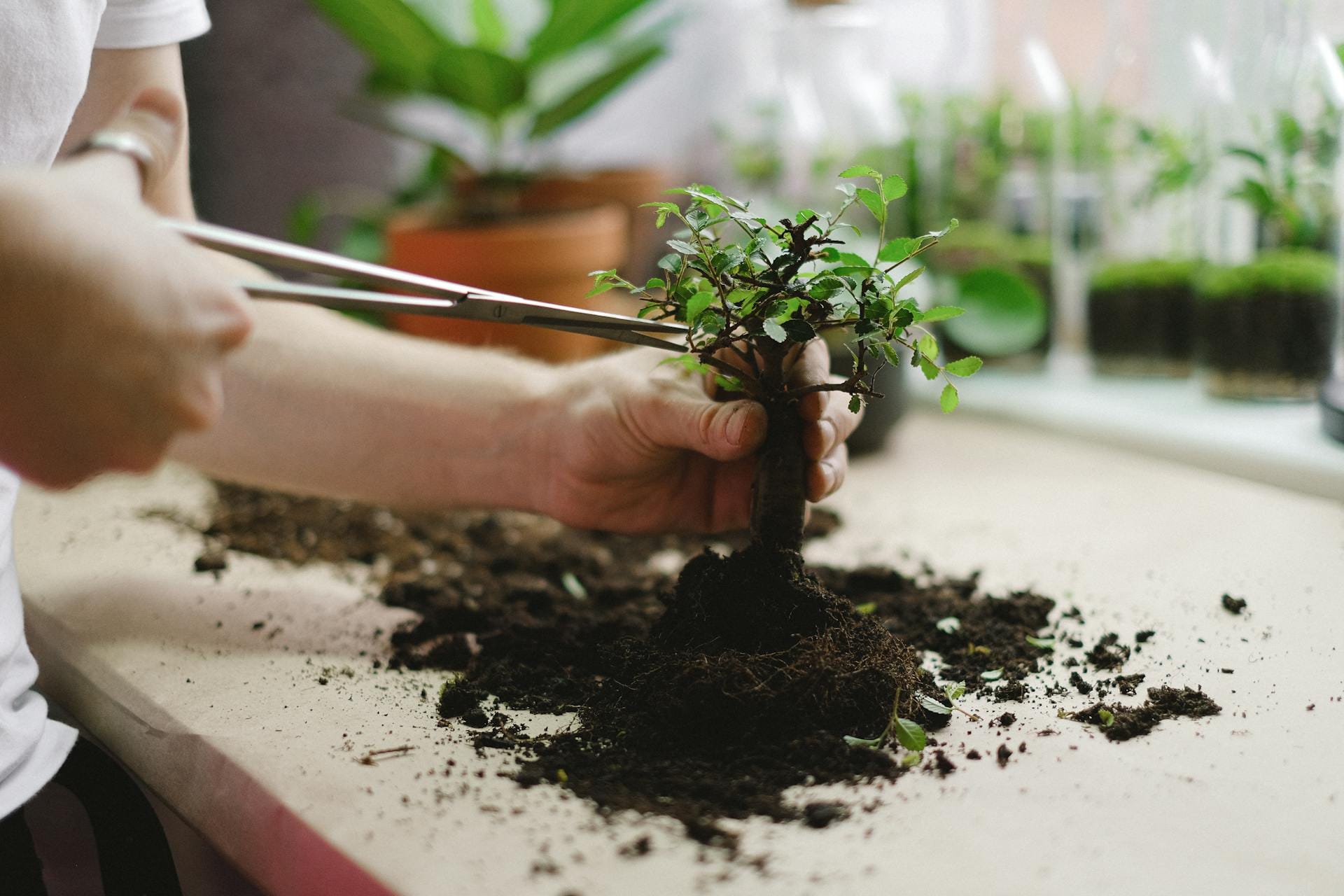
Why They Matter: Dead leaves and overgrown stems weaken plants and attract pests. Pruning scissors allow you to trim your plants precisely, encouraging healthy growth and maintaining shape.
Benefits of Pruning Scissors:
✂️ Encourages New Growth: Regular trimming = bushier plants.
🌱 Prevents Disease Spread: Cuts away infected parts early.
🎍 Keeps Plants Tidy: Ideal for bonsais, herbs, and decorative plants.
🧼 Hygienic Gardening: Stainless steel reduces rust and bacteria.
Why They Matter: Most homes, especially with heating or AC, have dry air that plants struggle in. A humidifier restores moisture to the air, mimicking tropical conditions many plants love.
Benefits of Humidifiers:
💧 Prevents Leaf Browning: Stops tips from drying out.
🌿 Perfect for Tropicals: Ferns, orchids, and calatheas thrive.
🏠 Dual Benefit: Improves your own skin and breathing health.
🔇 Quiet Operation: Many models are whisper silent.
⏲ Adjustable Output: Customize humidity levels for plant needs.
Why They Matter: Hydroponics is revolutionizing indoor gardening by allowing plants to grow without soil. A hydroponic starter kit gives you everything you need to grow herbs, vegetables, and even fruits in water-based systems.
Benefits of Hydroponic Kits:
🚀 Faster Growth Rates: Plants grow 30–50% faster than in soil.
🪴 Space-Saving: Perfect for apartments and kitchens.
🍅 Year-Round Harvests: Grow lettuce, basil, and strawberries indoors.
💧 Water Efficient: Uses up to 90% less water than soil.
👨👩👧 Beginner Friendly: Pre-assembled kits make it easy.
Indoor gardening becomes much more rewarding when you have the right tools. From self-watering pots that prevent root rot to hydroponic kits that bring futuristic gardening into your home, these accessories transform your indoor space into a thriving green paradise.
By starting with a few essentials and gradually expanding your toolkit, you’ll avoid common mistakes, save time, and watch your plants flourish.
👉 Ready to get started? Explore the tools above on Amazon and begin your journey to becoming an indoor gardening pro today.
Starting an indoor garden can feel overwhelming when you’re a beginner. Which plants are easiest to grow? How much sunlight and water do they need?
The truth is: indoor plants can thrive with very little effort—if you choose the right ones. In fact, studies like the NASA Clean Air Study have shown that certain houseplants not only survive in low-maintenance conditions but also help purify the air inside your home.
Here’s a detailed look at 10 beginner-friendly indoor plants, their benefits, and simple care tips to get you started.
1. Snake Plant (Sansevieria trifasciata)
Origin: West Africa
Care Level: Easiest of all indoor plants
Light: Low to bright indirect light
Watering: Every 2–3 weeks (let soil dry between waterings)
Benefit: Filters toxins like formaldehyde & benzene
Also called Mother-in-Law’s Tongue, this plant is almost indestructible. According to NASA’s study, it’s one of the best plants for air purification, making it perfect for bedrooms.
2. Pothos (Epipremnum aureum) – Devil’s Ivy
Origin: Southeast Asia
Light: Low to bright, indirect light
Watering: Once a week
Growth: Fast-growing vine
Pothos is nicknamed Devil’s Ivy because it’s nearly impossible to kill. It can grow in soil or just water, making it great for beginners who want flexibility.
💡 Tip: Train it to climb or place in a hanging basket for a lush green décor.
3. ZZ Plant (Zamioculcas zamiifolia)
Origin: East Africa
Light: Low-light tolerant
Watering: Once every 2–3 weeks
Special Feature: Glossy waxy leaves
The ZZ Plant is ideal for people who forget to water their plants. It thrives on neglect and still looks elegant, making it one of the most recommended office plants worldwide.
4. Peace Lily (Spathiphyllum)
Origin: Tropical Americas
Light: Medium, indirect sunlight
Watering: Weekly
Special Feature: Blooms indoors with elegant white flowers
The Peace Lily is not only beautiful but also improves indoor air quality by absorbing mold spores. It droops when thirsty, so it’s easy to know when it needs water.
5. Spider Plant (Chlorophytum comosum)
Origin: South Africa
Light: Indirect sunlight
Watering: Weekly
Benefit: Produces baby plants you can replant
Known for its long arching leaves, the Spider Plant is extremely beginner-friendly. It’s one of the most tested plants in NASA’s Clean Air Study, removing toxins like xylene and carbon monoxide.
6. Aloe Vera
Origin: Arabian Peninsula
Light: Bright, indirect sunlight
Watering: Every 2–3 weeks (succulent care)
Bonus: Natural remedy for burns & skin care
Aloe Vera doubles as both a decorative plant and a home remedy. Just snap a leaf to use its gel for burns, acne, and dry skin.
7. Jade Plant (Crassula ovata)
Origin: South Africa
Light: Bright, direct sunlight preferred
Watering: Every 2 weeks
Symbolism: Considered a money plant in Feng Shui, bringing prosperity
The Jade Plant can live for decades and even be passed down generations, almost like a family heirloom.
8. Rubber Plant (Ficus elastica)
Origin: Southeast Asia
Light: Bright, indirect sunlight
Watering: Weekly in summer, less in winter
Feature: Can grow into a tree indoors
Rubber Plants are great for people who want a bigger indoor plant with large glossy leaves. They can reach 6–10 feet tall indoors.
9. Dracaena
Origin: Africa & Asia
Light: Low to medium light
Watering: Once a week
Appearance: Tall and slender, adds a tropical feel
Dracaenas come in many varieties (like Dracaena Marginata with red edges). They’re forgiving, and perfect for beginners who want a plant that makes a bold statement indoors.
10. Philodendron
Origin: Central & South America
Light: Indirect sunlight
Watering: Weekly
Growth: Heart-shaped leaves, fast grower
Philodendrons are flexible plants that adapt to almost any condition. They’re a favorite for indoor gardeners because of their lush, trailing vines.
🌿 Beginner’s Indoor Gardening Tips
Use well-draining soil (avoid soggy roots).
Rotate plants weekly for even growth.
Group plants together to increase humidity.
Wipe leaves monthly to remove dust.
Final Thoughts
If you’re starting your indoor gardening journey, begin with one or two of these beginner-friendly plants. They’ll not only make your home greener but also improve your health, mood, and indoor air quality.